
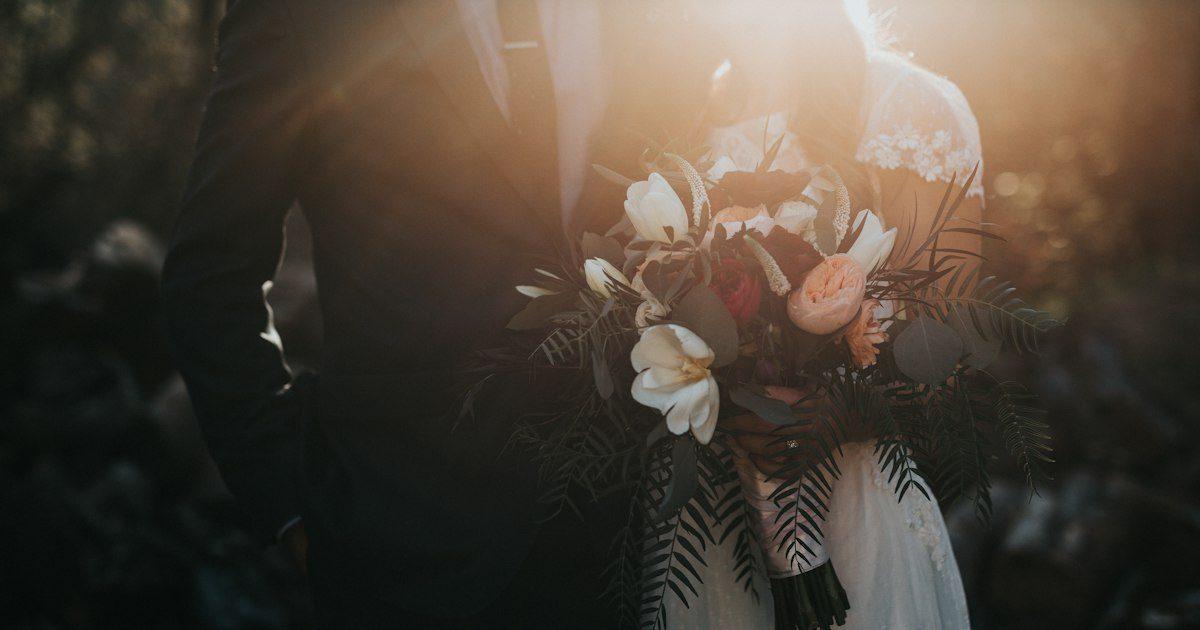
Wedding invitations use a vocabulary almost nobody is taught. "Black tie optional," "semi-formal," "festive," "dressy casual" all sound like they mean something specific, because they do, and guessing wrong is uncomfortable in both directions.
The good news is that these codes are genuinely defined rather than vague. Once you know what each one actually specifies, the outfit mostly chooses itself.
This guide decodes every dress code you are likely to see, with outfit ideas for men and women at each level, plus beach and outdoor weddings, season and venue, and the color rules that apply regardless of code.
TL;DR
Wedding dress codes are defined terms, not suggestions. Match the stated code, avoid white and anything that competes with the wedding party, and let the venue and season adjust fabric rather than formality. Slidez lets you try wedding guest outfits on virtually before committing to a purchase.
Understanding Different Wedding Dress Codes
Each dress code specifies a formality level, and the Emily Post Institute's attire guide remains the standard reference for what each one actually requires. [CITATION-1]
Here is the hierarchy, from most to least formal.
| Dress code | Women | Men |
|---|---|---|
| White tie | Floor-length evening gown, long gloves optional | Black tailcoat, white piqué wing-collar shirt, white vest and bow tie, black patent shoes |
| Black tie | Floor-length gown, dressy cocktail dress, or dressiest little black dress | Black tuxedo, white pleated or piqué shirt, black bow tie, cummerbund or vest, black patent shoes |
| Black tie optional | Floor-length gown, dressy cocktail dress, or dressy separates | Tuxedo, or a dark suit with white shirt and conservative tie |
| Creative black tie | Black tie foundation with room for color and texture | Tuxedo with latitude: a black shirt, or a colored or patterned bow tie |
| Cocktail | Knee-length or midi cocktail dress, dressy separates, elegant jumpsuit | Dark suit, dress shirt, tie usually expected |
| Semi-formal | Short afternoon or cocktail dress, little black dress, dressy separates | Dark business suit, dress shirt, tie, leather dress shoes |
| Festive | Cocktail dress or dressy separates, often in seasonal colors | Sport coat or blazer with slacks, dress shirt, festive tie |
| Dressy casual | A dress, skirt with dressy top, or dressy pants outfit | Blazer with slacks, dress shirt or open collar, tie optional |
| Casual | Sundress, nice separates | Khakis or good trousers, polo or open-collar shirt |
A note on "cocktail." Emily Post's guide does not define cocktail as a standalone code, treating that level of dress within its festive and semi-formal entries, while Debrett's explicitly defines cocktail attire in its own section. In practice wedding invitations use "cocktail" constantly. Cocktail calls for polished party attire; the expected formality depends on the invitation and setting, often overlapping with semi-formal and black tie optional. The table above reflects how it is commonly used on invitations.
When the invitation says nothing, default to semi-formal for an evening wedding and dressy casual for a daytime one, then adjust based on the venue. A ballroom and a backyard imply different things even with identical wording.
Timing shifts formality. Evening weddings run more formal than daytime ones at the same stated code. For anything after 6pm, err toward the dressier interpretation.
Colors to avoid, and why
White, ivory, cream, and champagne. The near-universal rule at Western weddings. Avoid anything that could read as bridal in photos, including mostly-white florals.
Whatever the wedding party is wearing. If you know the bridesmaid color, do not wear it. You will look like you are in the photos on purpose.
Anything that competes for attention. Sequins at a daytime garden wedding, or a dramatic entrance-making piece, shifts attention in a way most couples do not appreciate.
On wearing black: at most contemporary Western weddings black is entirely acceptable, particularly for evening and formal events, and Emily Post's own black tie guidance explicitly includes the little black dress. It reads less well at a casual daytime wedding, where it can feel severe.
On cultural variation: Wedding color conventions vary by community and family: red features in traditional Chinese and some Indian bridal clothing, while white has mourning associations in some Chinese and Hindu contexts but is also worn by brides. Follow the couple’s dress code, and ask someone close to them whether any colors—including red, white or black—should be avoided. [Ruth E Toulson, 2013]
What to Wear to a Formal or Black Tie Wedding
Black tie is the most prescriptive code, and it is the one where improvising goes wrong most visibly.
For women
- Floor-length evening gown: the safest and most traditional choice
- Dressiest cocktail dress: acceptable at black tie, particularly for younger guests
- Elegant floor-length jumpsuit: increasingly accepted at black tie optional, slightly less so at strict black tie
- Fabric matters: silk, satin, velvet, crepe, and chiffon read formal; cotton and jersey do not
- Jewelry: this is the occasion for your best pieces
For men
- Black tie means a tuxedo: black jacket and matching trousers, white pleated or piqué shirt, black bow tie, cummerbund or vest, black patent shoes.
- A dark suit is not black tie, though it is acceptable at black tie optional
- Bow tie, not a long tie, for strict black tie
- White dinner jacket is correct in summer, the tropics, or on a cruise
Formal and black tie optional give you more room. Women can wear a gown, a dressy cocktail dress, or dressy separates. Men can choose between a tuxedo and a dark suit with a conservative tie. Either is correct, which is the point of the "optional."
Wedding Guest Outfit Ideas for Semi-Formal and Cocktail Dress Codes
This is the most common wedding dress code and the one with the widest acceptable range.
For women
- Knee-length or midi cocktail dress in a solid color or subtle print
- Dressy jumpsuit with heels and good jewelry
- Midi skirt with a silk or embellished top, which travels and sits better than a dress for some
- Little black dress with statement accessories, for evening
- Elegant separates: tailored wide-leg trousers with a dressy top
For men
- Dark suit, dress shirt, tie, leather dress shoes: the default and always correct.
- Navy or charcoal suit over black, which reads less funereal in daytime
- Lighter grey or blue suit for daytime and spring or summer weddings
- Tie expected at cocktail and semi-formal: open collar reads as a step down.
The difference between formal and semi-formal, which is the most common point of confusion: formal expects a floor-length gown or a tuxedo-adjacent level of dress. Semi-formal expects a cocktail-length dress and a business suit. Formal is evening-weighted; semi-formal works at any hour.
Casual Wedding Outfit Ideas for Men and Women
Casual at a wedding is not casual in ordinary life. It means the dressiest end of relaxed, not what you would wear to brunch.
For women
- Sundress or midi dress in a good fabric
- Skirt with a dressy top, easier to adapt to weather
- Dressy jumpsuit or well-cut separates
- Flats or block heels, especially outdoors
For men
- Chinos or good trousers with a blazer, tie optional
- Dress shirt or a smart open-collar shirt
- Loafers or derbies, not sneakers, even at casual weddings
- Linen or lightweight wool for warm-weather casual weddings
What still does not work at a casual wedding: jeans unless explicitly invited, shorts, flip-flops, visible logos, or anything you would wear to the gym. "Casual" on a wedding invitation is doing a lot of lifting relative to the everyday meaning.
What to Wear to a Beach or Outdoor Wedding
Outdoor weddings change the practical constraints more than the formality level, and the ground is usually the deciding factor.
For women
- Flowing midi or maxi dress in a light fabric: chiffon, linen blend, lightweight crepe
- Block heels, wedges, or dressy flats: stilettos sink into grass and sand, which is the most common outdoor wedding mistake
- A wrap or pashmina for when the temperature drops after sunset
- Consider the wind if the ceremony is on a beach or clifftop. Very light fabrics and short hemlines both become a problem.
For men
- Lightweight suit in linen, cotton, or tropical wool
- Lighter colors: tan, light grey, pale blue all suit outdoor daytime settings
- Loafers or suede shoes: leave patent leather for indoor formal
- A linen or cotton shirt, since heavy poplin gets uncomfortable fast in sun
Beach-specific notes:
- Sand ruins thin heels and fine leather: flat or wedge, every time
- Beach formal still means formal: it adjusts the fabric and the shoe, not the dress code
- Bring sunglasses and consider sun exposure, since outdoor ceremonies often have no shade
- Evening outdoor weddings get cold faster than people plan for, even in summer
How to Choose Wedding Guest Outfits Based on the Season and Venue
Season and venue should change your fabric, color, and shoes. They should not change the dress code.
This is the most useful distinction to hold onto. A black tie wedding in July is still black tie; it just calls for lighter fabric.
By season
- Spring: lighter colors, florals, midweight fabrics. Bring a layer for evening.
- Summer: linen, cotton, lightweight silk. Avoid heavy synthetics, which do not breathe.
- Fall: richer colors (burgundy, forest, navy, rust), velvet, heavier crepe and wool
- Winter: velvet, heavier fabrics, long sleeves, and a coat good enough to be photographed in
By venue
- Ballroom or hotel: the most formal interpretation of whatever code is stated
- Place of worship: check whether shoulders or knees need covering, which many still expect
- Barn, farm, or vineyard: block heels or flats, and expect uneven ground
- Garden or estate: grass means no stilettos; bring a layer for the evening
- Beach: covered above
- Restaurant or small venue: usually a step less formal, and you will be seated close to others
Two things people forget
The outerwear is part of the outfit. For a winter wedding you will be photographed arriving, and a practical parka over a formal dress is the most common gap.
You will be in these clothes for eight to twelve hours, including a ceremony, a meal, and dancing. Comfort is not a lesser consideration at a wedding; it is central.
Best Shoes and Accessories to Complete Your Wedding Outfit
Shoes should match the formality of the code and the reality of the ground, and those two requirements conflict more often than people expect.
Shoes
- Heels for formal and black tie, with block heels a legitimate option at every level
- Dressy flats are entirely acceptable and increasingly common
- Loafers, oxfords, or derbies for men, polished, with patent leather reserved for black tie
- Check the ground before choosing: grass, sand, cobblestones, and gravel all rule out thin heels
- Break them in first: a wedding is a long day on your feet and new shoes are a predictable mistake
Accessories
- A small clutch or evening bag: most venues have nowhere to put a large bag
- Statement jewelry if the outfit is simple, understated jewelry if the outfit is not
- A wrap, pashmina, or tailored coat for evening, outdoor, or winter weddings
- Cufflinks and a pocket square for men at formal and black tie
- A fascinator or hat at traditional British weddings, where they remain common
Practical items worth bringing: blister plasters, a backup hair tie, and a compact umbrella if the forecast is uncertain. These matter more over a twelve-hour day than any styling decision.
How to Find and Try Wedding Guest Outfits With Slidez
Wedding outfits carry more pressure than most purchases: they are expensive, worn once, photographed extensively, and often bought online under time constraints.
That combination makes the usual problem worse. You cannot easily judge whether a formal dress or suit will work on you from a product photo of a model.
Slidez addresses this directly:
- Virtual try-on: see a formal outfit rendered on your own body before buying
- Automatic body analysis: the AI stylist factors your body type into recommendations from your photo, with no quiz or measurements
- Chrome extension: try on pieces from any online store, which matters when occasionwear comes from retailers you do not normally shop
- Social import: bring in a look you saved from Pinterest or Instagram and try the pieces on
- Save and sync: compare several options across phone and desktop before deciding
For an outfit this visible, checking it on yourself before it ships removes most of the risk.
Ready to find your wedding guest outfit? 👉 Download Slidez free.
Conclusion
Wedding dress codes are defined terms, so the work is mostly translation rather than taste. Match the stated code, let the venue and season change your fabric and shoes rather than your formality, and avoid white and anything close to it.
Then choose for the length of the day. You will be in this outfit for twelve hours across a ceremony, a meal, and a dance floor, and comfort is part of looking good in the photographs.
Slidez takes the guesswork out of an expensive, one-time purchase. Try the outfit on virtually, confirm it works on your body, and buy with confidence. The free version includes all core features.
Ready to plan your wedding guest look? 👉 Download Slidez free.
Frequently Asked Questions (FAQs)
What should I wear to a wedding as a guest?
Start with the dress code on the invitation, since these are defined terms rather than suggestions. If none is stated, default to semi-formal for an evening wedding and dressy casual for a daytime one, then adjust for the venue.
Avoid white, ivory, cream, and the bridesmaid color. Slidez can show you how an outfit looks on your own body before you commit to buying it.
What is the difference between formal and semi-formal wedding attire?
Formal expects a floor-length gown for women and a tuxedo or very dark formal suit for men, and it is weighted toward evening events.
Semi-formal expects a cocktail-length dress or dressy separates for women and a dark business suit with a tie for men. Semi-formal works at any hour, while formal is less common for daytime weddings.
What should women wear to a black tie wedding?
A floor-length evening gown is the safest and most traditional option. A dressy cocktail dress or the dressiest version of a little black dress is also acceptable, and Emily Post's guidance explicitly allows both.
Fabric carries the formality: silk, satin, velvet, crepe, and chiffon read formal, while cotton and jersey do not. This is the occasion for your best jewelry.
What should men wear to a cocktail wedding?
A dark suit with a dress shirt and a tie. Navy or charcoal generally works better than black for daytime, and leather dress shoes complete it.
A tie is expected at cocktail and semi-formal. Going open-collar reads as a step down in formality, which is noticeable when other guests have followed the code.
What should I wear to a beach wedding?
Light fabrics and flat or wedge shoes. For women, a flowing midi or maxi in chiffon or a linen blend; for men, a lightweight linen or cotton suit in a lighter color with loafers or suede shoes.
Sand and thin heels do not work, so wedges or dressy flats are the practical choice. Bring a wrap, since outdoor evenings get cold faster than people expect even in summer.
Can I wear black to a wedding?
At most contemporary Western weddings, yes, particularly for evening and formal events. Emily Post's black tie guidance explicitly includes the little black dress.
It reads less well at a casual daytime wedding, where it can feel severe. Note that this is a Western convention, and black carries different meanings in other wedding traditions, so check if you are unsure.
What colors should wedding guests avoid?
White, ivory, cream, and champagne, since anything that could read as bridal in photographs is best avoided. Also avoid the bridesmaid color if you know it, and anything deliberately attention-grabbing.
These are Western conventions and do not transfer universally. Wedding color conventions vary by community and family: red features in traditional Chinese and some Indian bridal clothing, while white has mourning associations in some Chinese and Hindu contexts but is also worn by brides.
If you are attending a wedding in an unfamiliar tradition, follow the couple’s dress code and ask someone close to them whether any colors—including red, white or black—should be avoided.
How can I find the right outfit for a wedding dress code?
Translate the code first using the table above, then shop within that formality level rather than browsing broadly. Let the venue and season determine fabric and shoes, not the dress code itself.
Slidez helps with the last step by letting you try the outfit on virtually, which matters for an expensive purchase you will be photographed in.
Ready to see your wedding outfit on yourself first? 👉 Download Slidez free.
References
- [CITATION-1]: The Emily Post Institute, "Attire Guide: Dress Codes from Casual to White Tie." https://emilypost.com/advice/attire-guide-dress-codes-from-casual-to-white-tie
- [CITATION-1 Supplement]: Debrett's, "Deconstructing Dress Codes." https://debretts.com/deconstructing-dress-codes/
- [CITATION-2]: Ruth E. Toulson, "The meanings of red envelopes: Promises and lies at a Singaporean Chinese funeral," Journal of Material Culture, vol. 18, no. 2, 2013. https://journals.sagepub.com/doi/10.1177/1359183513483909